We Were Here Tomorrow metacritic: Scores Explained
Check We Were Here Tomorrow's Metacritic status, release details, and review availability, plus why the original game's score doesn't apply.
We Were Here Tomorrow Metacritic Status: The Short Answer
A missing review score is not a bad review—and that distinction matters when you’re deciding whether to buy a new puzzle adventure. The We Were Here Tomorrow metacritic listing shows “tbd” rather than a numerical score in the reference captured on October 21, 2026. If your We Were Here Tomorrow metacritic search brought up a score of 63, that number belongs to a platform listing for the original We Were Here, not Tomorrow.
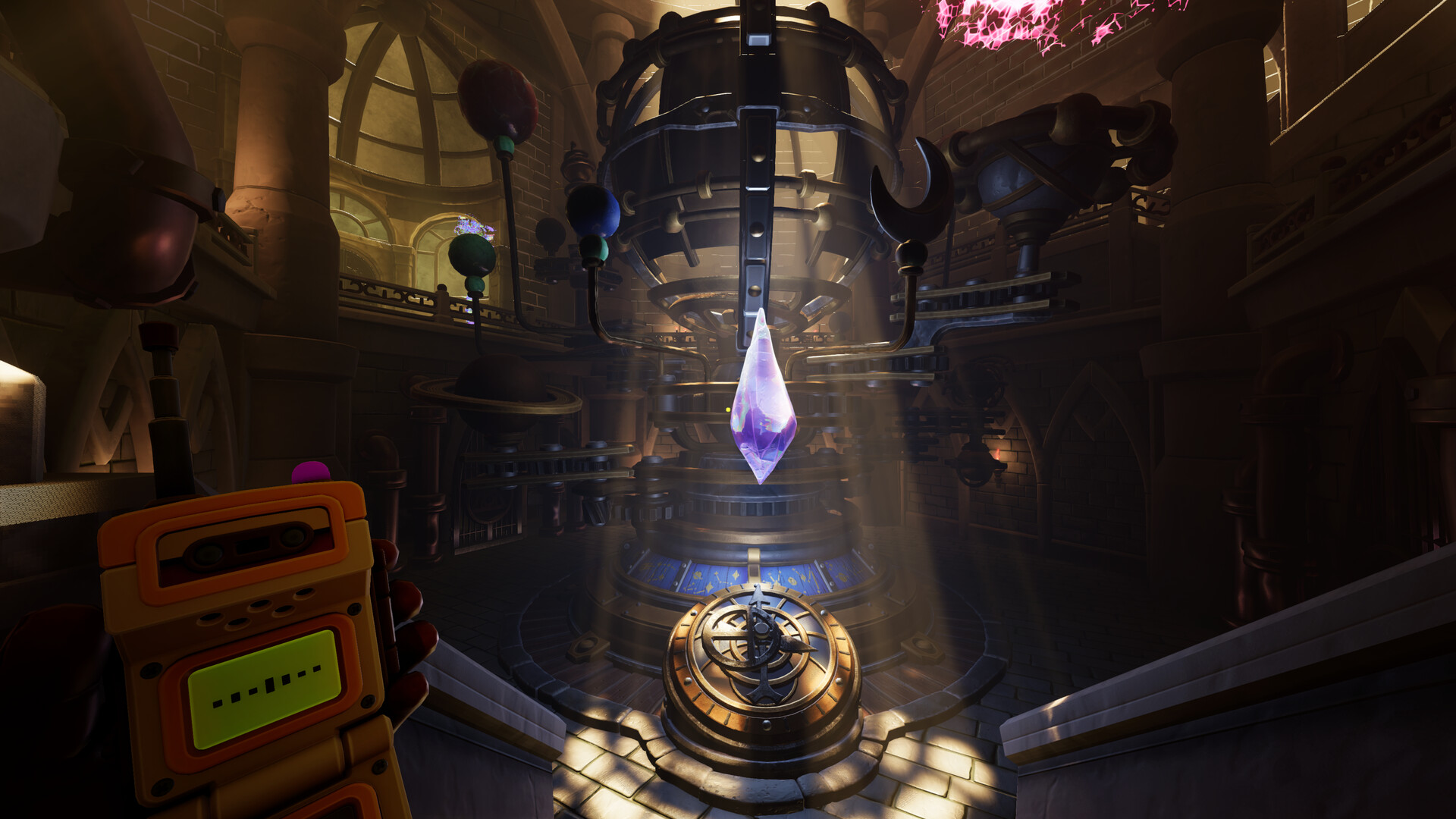
Official screenshot · Source: Steam store
That is the essential takeaway: there is no numerical verdict for Tomorrow in the supplied snapshot. The listing provides a premise, supported platforms, and an initial release date, but it does not yet establish a critical or player consensus.
This article explains what the available information actually tells you, which scores belong to a different game, and what to check before making a purchase. It is a review-status guide, not a hands-on assessment.
| Listing detail | Status in the October 21, 2026 snapshot |
|---|---|
| Game | We Were Here Tomorrow |
| Numerical Metascore | Not displayed; “tbd” appears |
| Numerical user score | Not displayed |
| User ratings | 0 |
| Written user reviews | Listed as unavailable |
| Initial release date | October 20, 2026 |
| Listed platforms | PlayStation 5, PC, Xbox Series X |
| Genre | First-person adventure |
For the latest information, check the We Were Here Tomorrow review listing on Metacritic. Scores and review counts can change after the snapshot used here.
What “TBD” Means—and What It Does Not
The most important part of reading the We Were Here Tomorrow metacritic page is separating an unavailable score from an unfavorable one.
“TBD” means a numerical result has not been determined or displayed. It is not equivalent to a zero, and it does not establish that critics disliked the game. Likewise, a user-review section with no ratings cannot tell you whether players are satisfied.
The snapshot shows 0% positive, 0% mixed, and 0% negative user ratings, each alongside a count of zero. Those percentages describe an empty rating pool—not a split in audience opinion.
| What you see | Reasonable interpretation | Unsupported conclusion |
|---|---|---|
| “Tbd” instead of a Metascore | No numerical critic aggregate is displayed | Critics gave the game a failing score |
| 0 user ratings | No user ratings appear in this snapshot | Players dislike the game |
| User reviews unavailable | Written player feedback is unavailable there | Nobody has played it anywhere |
| A listed release date | Metacritic records that date for the game | Every regional storefront has identical availability |
| Several supported platforms | The listing names those platforms | Performance is identical across platforms |
Why is there no score yet?
The supplied material does not explain the absence of a numerical aggregate. It would be speculation to blame a review embargo, delayed review copies, technical problems, or a particular publishing strategy.
The timing offers context, but not an explanation: Metacritic lists October 20, 2026, as the initial release date, while the reference was collected on October 21. That places the snapshot one day after the listed date.
For readers checking We Were Here Tomorrow metacritic results, the practical response is to revisit the listing rather than infer a verdict from the blank space. If individual critic reviews appear, read their reasoning as well as their scores.
An aggregate can summarize reception, but the details matter more when you have specific concerns about puzzle difficulty, accessibility, or playing with a particular partner.
What the Listing Confirms About the Game
Even without reviews, the listing gives a useful outline of the adventure’s setup.
You and a partner awaken inside strange pods, surrounded by machinery in an unfamiliar facility. A composed voice directs you, supplies tools, and sets assignments that you tackle together. The description establishes a mystery built around an unknown environment and cooperative problem-solving.
That premise may appeal to players who enjoy discovering how a place works alongside someone else. However, a premise alone cannot establish whether the puzzles are inventive, the story pays off, or the tools feel satisfying to use.
Confirmed information versus open questions
| Topic | Supported by the listing | Still unconfirmed in the supplied material |
|---|---|---|
| Opening situation | Two partners wake inside mysterious pods | How much freedom players have afterward |
| Setting | An unfamiliar facility containing machinery | The full range of environments |
| Guidance | A voice provides direction and tools | Whether that guidance is trustworthy |
| Activities | Partners work through puzzle assignments | Puzzle variety, difficulty, and hint quality |
| Platforms | PS5, PC, Xbox Series X are listed | Cross-play, local co-op, and matchmaking details |
| Technical quality | No assessment provided | Frame rate, stability, and connection reliability |
The We Were Here Tomorrow metacritic summary therefore supports an overview, not a recommendation based on gameplay quality.
It also leaves several purchase-critical details unanswered. The supplied material does not confirm campaign length, pricing, friend-access arrangements, accessibility options, or whether different platforms can play together.
Before buying, verify those details on the storefront for your intended platform. A platform appearing on an aggregator is not a substitute for checking the actual product requirements.
For a partner-based game, compatibility deserves particular attention. Confirm how both players will access the game and whether your preferred setup is supported before either person commits.
Why the Original We Were Here Score Does Not Apply
The other supplied source covers We Were Here, the original game. Its visible PlayStation 4 review set has a 63 Metascore from four critic reviews and a 6.3 user score from 93 ratings.
Those are historical figures for a different title and platform review set. They are not the missing We Were Here Tomorrow metacritic score.
| Measure | We Were Here Tomorrow snapshot | Original We Were Here visible PS4 review set |
|---|---|---|
| Metascore | No numerical score displayed | 63 |
| Critic review count | Not established in the supplied extract | 4 |
| User score | No numerical score displayed | 6.3 |
| User rating count | 0 | 93 |
| Reception label | No numerical verdict established | Mixed or average |
The original’s four displayed critic scores are 75, 70, 60, and 55. Their accompanying excerpts offer useful background: critics recognized the appeal of cooperative puzzle-solving while noting limitations in technical presentation.
PlayStation Universe emphasized the strength of the cooperative concept despite visible rough edges. PlayStation Country likewise found the partnership-focused puzzles interesting while expressing reservations about the technical side. The excerpt from 4P.de described a basic presentation supporting communication-driven escape-game play.
These observations help explain the original’s reception. They do not prove that Tomorrow has the same strengths or weaknesses.
What older player feedback can tell you
Player experience from the original game highlights communication, describing what each partner sees, and coordinating solutions as important parts of its appeal. Some players also report that knowing the solutions reduces the incentive to replay.
Treat those comments as questions to investigate in the new game:
- Does each partner have meaningful information to contribute?
- Are instructions and visual clues easy to describe?
- Does changing roles offer a worthwhile second perspective?
- Is the experience satisfying at its asking price?
Do not transfer older player estimates of completion time to Tomorrow. The supplied material provides no verified campaign length for the new title.
How to Make a Buying Decision Without a Metascore
An unavailable aggregate does not force you to buy blindly. It means you should focus on evidence that answers your own priorities rather than wait for a single number to make the decision.
Use the We Were Here Tomorrow metacritic listing as a starting point, then look for platform-specific information and detailed assessments when they become available.
A practical pre-purchase checklist
| Step | What to check | Why it helps |
|---|---|---|
| 1. Verify your platform | Exact edition and supported hardware | Prevents buying the wrong version |
| 2. Confirm partner access | Ownership requirements and multiplayer compatibility | Ensures both players can participate |
| 3. Check communication options | Voice requirements, text support, and accessibility features | Helps you assess whether the setup suits both players |
| 4. Find technical evidence | Reports for your platform, not just another version | Addresses stability and performance concerns |
| 5. Read puzzle-focused criticism | Clarity, variety, hinting, and partner participation | Reveals whether the design fits your preferences |
| 6. Compare price with scope | Verified campaign length and replay options | Supports a more informed value judgment |
Prioritize review details over isolated ratings
A helpful review should explain how cooperation works, not simply call the game “fun with a friend.” Look for examples that reveal the structure without spoiling solutions.
For instance, a reviewer might explain whether both players must interpret clues or whether one mainly follows instructions. Those are different experiences, even if both receive a positive score.
Technical coverage should also distinguish between puzzle frustration and software trouble. Being stuck because a clue is difficult is not the same as being unable to progress because a session disconnects or an interaction fails.
None of those problems is established by the supplied sources. They are issues worth checking in future coverage.
Keep early community feedback in proportion
When community reports become available, favor comments that name the platform, describe the circumstances, and explain the effect on play. Several independent reports of the same issue are more useful than a vague complaint.
Positive feedback deserves the same scrutiny. A player praising the opening hour may offer a valid first impression, but that is different from a completed-game assessment.
The best approach to We Were Here Tomorrow metacritic coverage is to combine three things: the aggregate when available, detailed critic reasoning, and clearly labeled player experience relevant to your setup.
Bottom line: the October 21 snapshot does not support a scored verdict. If you want a reception-based purchase decision, wait for substantive reviews rather than treating “tbd” as either reassurance or a warning.
FAQ: We Were Here Tomorrow Reviews and Scores
What is the We Were Here Tomorrow metacritic score?
The supplied October 21, 2026 snapshot shows “tbd” rather than a numerical Metascore. It also shows no numerical user score and zero user ratings. That status may change as the listing receives more information.
Does We Were Here Tomorrow have a Metascore of 63?
No. The 63 shown in the reference material belongs to the original We Were Here and its visible PlayStation 4 critic review set. It is based on four reviews and should not be attributed to Tomorrow.
What release date and platforms does Metacritic list?
The listing records an initial release date of October 20, 2026, and names PlayStation 5, PC, and Xbox Series X. Check your regional storefront for current availability and exact product requirements.
Should I wait for reviews before buying?
If puzzle quality, technical reliability, or value determines your purchase, waiting is reasonable because the supplied listing establishes no review consensus. If the premise already interests you, first verify partner access, platform compatibility, and communication requirements. Those practical details can matter more to your experience than an eventual aggregate score.
Related Guides
We Were Here Tomorrow reddit: Reviews & Buying Tips
Searching We Were Here Tomorrow reddit? Compare early Steam ratings, co-op features, pricing, and preview impressions before buying.
We Were Here Tomorrow review: Bold but Buggy
Our We Were Here Tomorrow review weighs inventive co-op puzzles, sci-fi visuals, motion sickness concerns, and reported bugs before you buy.
We Were Here Tomorrow announcement: Release Details
Explore the We Were Here Tomorrow announcement, October 20 release, crossplay plans, co-op puzzles, Steam pricing, and PC requirements.
We Were Here Tomorrow demo walkthrough: Guide & Tips
Find the right We Were Here Tomorrow demo walkthrough, avoid wrong-game solutions, and use a practical checklist to work through co-op puzzles.
We Were Here Tomorrow cable puzzle: Co-op Tips
Stuck on the We Were Here Tomorrow cable puzzle? Use clear callouts, connection notes, and controlled tests while avoiding unverified solutions.